


Deye 80kW Commercial & Industrial Hybrid Solar System
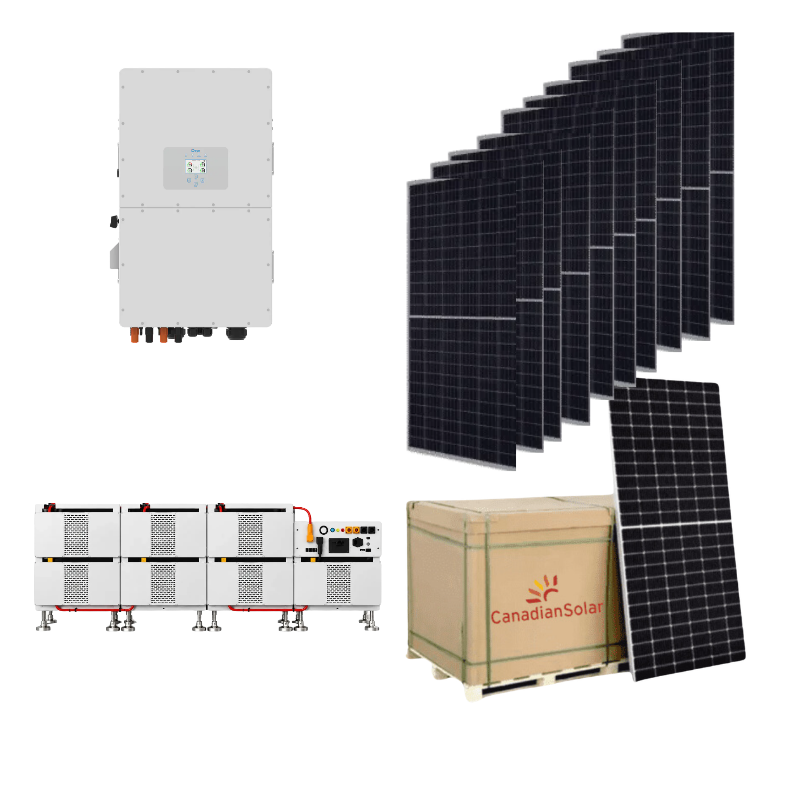
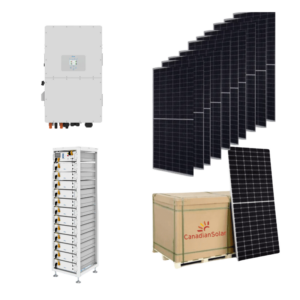
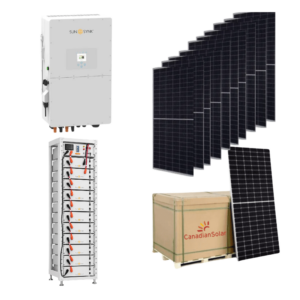
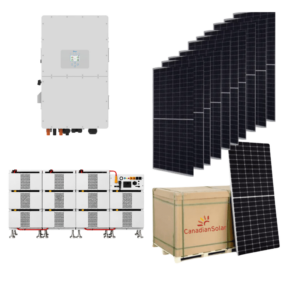
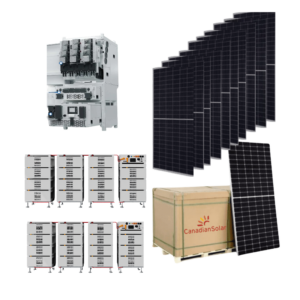
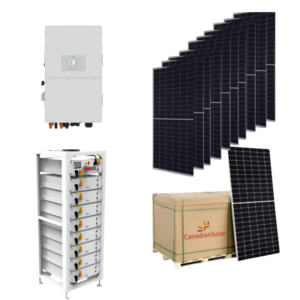
The Deye 80kW High Voltage Hybrid Solar Kit provides a comprehensive renewable energy solution for businesses seeking to reduce electricity costs, improve operational resilience and increase energy independence.
Combining a commercial-grade three-phase hybrid inverter, modular LiFePO4 battery storage and high-efficiency Canadian Solar N-Type photovoltaic panels, the system is designed for demanding energy environments.
Key Features
Advanced Hybrid Energy Management
The Deye hybrid inverter manages solar generation, battery energy storage and utility power, allowing businesses to optimise electricity consumption through configurable energy priorities and operating schedules.
High-Capacity Battery Storage
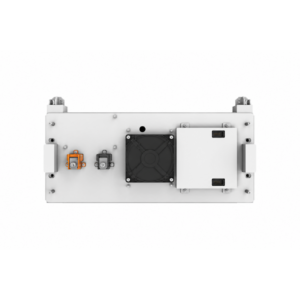
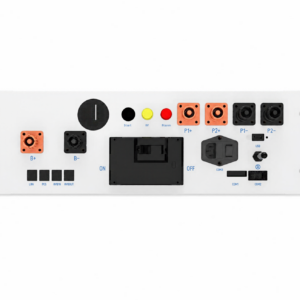
The modular BOS-B Pro high-voltage lithium battery system supports solar energy storage, peak-demand management and backup applications. Integrated battery management provides operational monitoring and electrical protection.
Premium N-Type Solar Technology
Canadian Solar TOPCon bifacial modules provide high-efficiency solar energy conversion, with additional rear-side generation potential under suitable mounting and environmental conditions.
Flexible Commercial Operation
Supports grid-connected hybrid operation, programmed charging and discharging, solar self-consumption optimisation and compatible generator integration.
Scalable Energy Infrastructure
Designed for commercial solar projects requiring flexible energy management and the ability to accommodate changing operating requirements.
Recommended Applications
- Factories and manufacturing plants
- Warehouses and logistics centres
- Agricultural and irrigation facilities
- Shopping centres and retail premises
- Schools and institutional facilities
- Hospitality establishments and commercial buildings
- Industrial workshops and processing facilities
Professional System Integration
Final system configuration must be established through site-specific engineering, including PV string design, battery compatibility, protection coordination, electrical load assessment and grid compliance.
Actual energy production, backup performance and financial savings depend on site conditions, consumption profiles and system configuration.
Reviews
There are no reviews yet.